
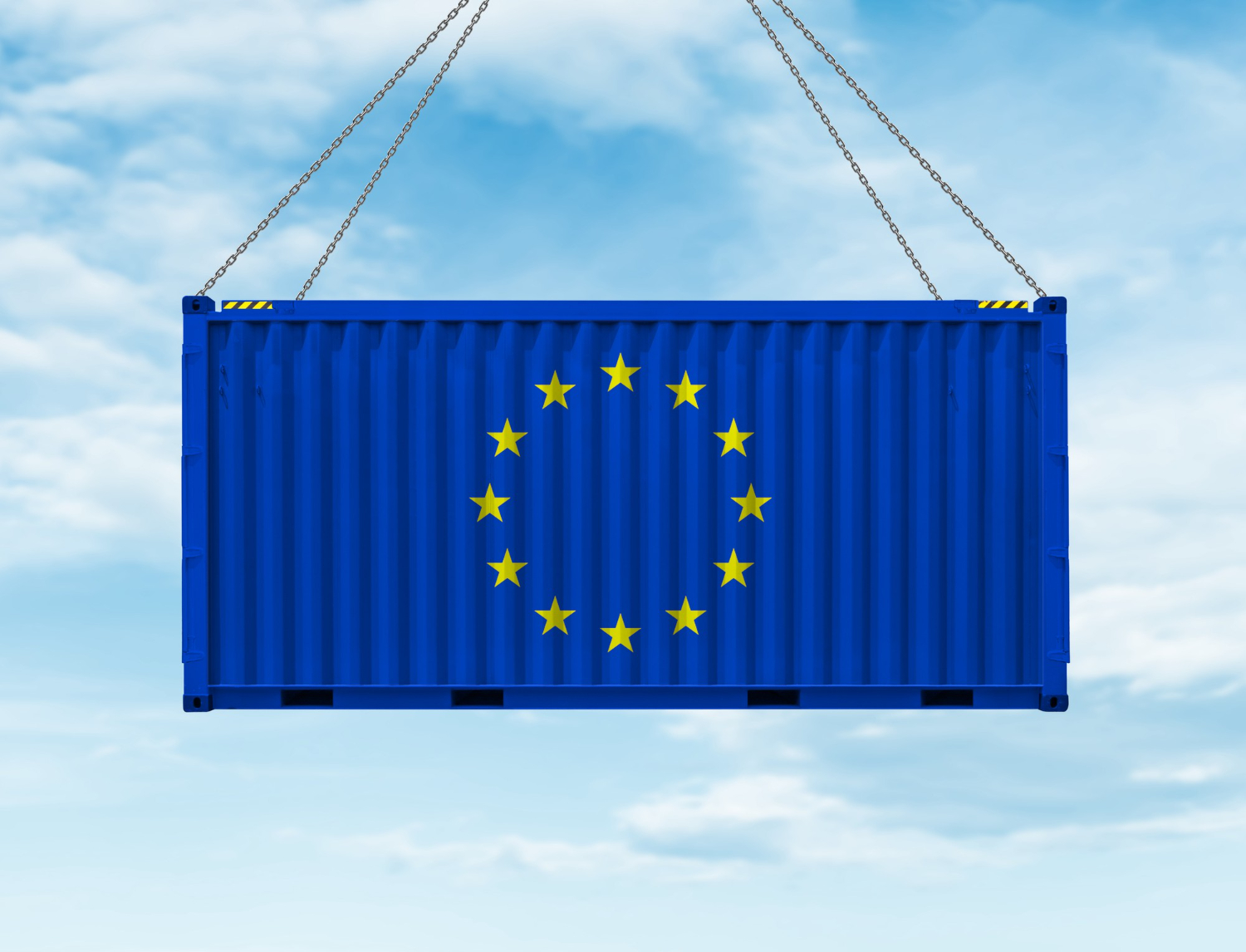
As we approach the final weeks of 2025, the European Union’s regulatory framework for cargo has undergone its most significant transformation in a decade. For logistics operators, 2025 has been defined by the convergence of strict digital security mandates and aggressive environmental reporting.
Below is a summary of the critical regulations defining the cargo landscape as of late 2025.
1. Digital Customs & Security: The ICS2 Shift
The most immediate operational change in 2025 was the full rollout of Import Control System 2 (ICS2) – Release 3.
Status: Active. The deadline for road, rail, and maritime carriers to comply passed on September 1, 2025.
Impact: All cargo entering the EU (via any mode of transport) now requires a complete Entry Summary Declaration (ENS) regarding safety and security data before arrival.
Current Reality: While the deadline has passed, several Member States are currently operating under temporary derogations (grace periods) due to technical delays. Operators moving goods via road and rail who have not yet integrated with the ICS2 trader interface face high risks of border stoppages.
2. The “Cliff Edge”: Deforestation Regulation (EUDR)
The EU Deforestation Regulation (EUDR) remains the single biggest source of anxiety for traders of commodities like coffee, soy, wood, cocoa, and beef.
Deadline: December 30, 2025.
The Requirement: From this date, operators must prove their products are “deforestation-free” (produced on land not deforested after 2020) and legally produced. This requires precise geolocation coordinates for every plot of land in the supply chain.
Current Situation (Nov 2025): While the legal application date stands at Dec 30, 2025 for large and medium enterprises, the European Commission has faced intense pressure to delay enforcement. A proposal to introduce a 12-month phase-in/grace period is currently under urgent political review. Traders are advised to proceed as if the December deadline stands until a formal delay is gazetted.
3. Carbon & Sustainability: CBAM and ETS
2025 served as the critical “data year” for the EU’s environmental trade policies, acting as the bridge to financial liability in 2026.
Carbon Border Adjustment Mechanism (CBAM):
Status: Transitional phase ends December 31, 2025.
Action Required: Importers of steel, cement, aluminum, fertilizer, hydrogen, and electricity must submit their final quarterly reports of 2025. Crucially, importers must use late 2025 to register as “authorized CBAM declarants” to avoid customs blockages when the “definitive regime” (carbon tax payments) begins on January 1, 2026.
Maritime Emissions (EU ETS & FuelEU):
FuelEU Maritime: Came into force January 1, 2025, mandating limits on the greenhouse gas intensity of energy used on board.
EU ETS: Shipping companies faced their first major deadline in September 2025, surrendering allowances for 40% of their reported 2024 emissions. This financial burden increases to 70% in 2026.
4. Customs Systems: NCTS Phase 6
The New Computerised Transit System (NCTS) Phase 6 was scheduled for implementation on September 1, 2025.
Status: Fragmented.
Reality: While the legal deadline has passed, many national customs authorities (such as HMRC in the UK and others across the EU) have deployed a transitional “Phase 1” or opted out of specific safety/security connectivity features for now. Full harmonization across all Member States is now expected to stretch into 2026.
Summary for Logistics Managers
The remainder of 2025 is a period of high friction. The focus must be on:
Stabilizing ICS2 data flows for road/rail freight.
Securing “Authorized Declarant” status for CBAM before January 1.
Monitoring the EUDR operational status daily, as the December 30 implementation may shift at the last minute.